
02Nov

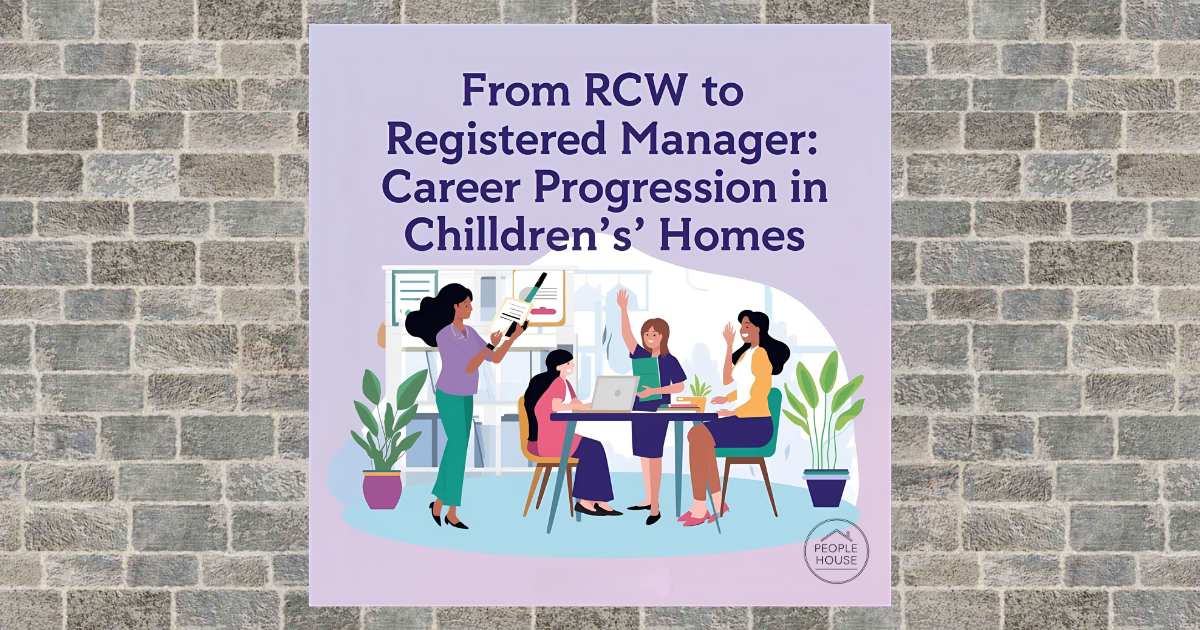
From RCW to RM: Career Progression in Children’s Homes

Working in children’s residential care is more than just a job. It is a meaningful career that can grow and develop as you do. Many people start as care assistants or support workers and progress to senior roles, deputy managers and eventually registered managers. Every step brings new skills, greater responsibility and the chance to make an even bigger difference in the lives of young people.

Here is what that journey can look like and what to expect along the way.

Starting out as a Care Assistant or Residential Childcare Worker (RCW)

Most people begin their career as a care assistant or RCW. This is a hands-on role supporting children and young people in their daily routines. You may help with meals, activities, and provide guidance, encouragement and emotional support.

Skills you will build:

  • Communication and relationship building
  • Behaviour support and de escalation
  • Record keeping and safeguarding awareness
  • Teamwork and emotional resilience

Qualifications:
It is a regulatory requirement that all staff working in children’s residential care complete a Level 3 or Level 4 Diploma for Residential Childcare. This qualification must usually be achieved within the first two years of employment. Many employers provide full support and funding for you to complete it. This qualification forms the foundation for career progression and professional development in the sector.

Progressing to Senior Residential Childcare Worker

After gaining experience and showing leadership potential, you may be promoted to senior RCW. This role involves guiding other staff, leading shifts and ensuring consistency across care plans and routines.

Key responsibilities:

  • Acting as shift leader and supporting staff on duty
  • Overseeing daily routines and risk assessments
  • Providing supervision or mentoring to colleagues
  • Ensuring records are accurate and up to date

What employers look for:
Confidence, reliability, clear communication and the ability to set professional standards. At this level, you begin shaping the culture and stability of the home.

Moving into Leadership as a Deputy Manager

manager in running the home. You will take on more operational duties such as rotas, audits, staff development and compliance.

Typical duties include:

  • Supervising the team and managing training needs
  • Supporting inspections and ensuring compliance with Ofsted standards
  • Overseeing referrals, care plans and placement outcomes
  • Handling safeguarding concerns and ensuring policies are followed

Recommended qualifications:
Level 5 Diploma in Leadership and Management for Residential Childcare along with continuous professional development in safeguarding, leadership and trauma informed practice.

Reaching the Top as a Registered Manager

Registered managers have overall responsibility for running the home. It is a demanding but rewarding role that requires strong leadership, clear communication and a deep understanding of the needs of young people.

Your focus will be:

  • Creating a safe, nurturing and compliant environment
  • Leading and developing staff teams
  • Building relationships with local authorities and professionals
  • Ensuring the home meets Ofsted standards and delivers positive outcomes

Many registered managers say the most rewarding part of the role is seeing young people thrive and supporting their teams to grow and succeed together.

Continuing to Develop

Career progression does not stop at management. Many professionals go on to become regional managers, trainers or safeguarding leads. Others move into social work or therapeutic roles. The skills you gain in residential care are respected across the wider children’s services sector.

If you are passionate, patient and committed to learning, a long-term career in children’s residential care can offer growth, stability and purpose.

Ready to Take the Next Step

Whether you are new to residential care or aiming for a management position, People House Recruitment can support you every step of the way.
Get in touch to find out about current opportunities and training for roles in children’s residential care.

29Oct

A Day in the Life of a Senior RCW

A Day in the Life of a Senior RCW – Emily’s Story

Working as a Senior Residential Childcare Worker is more than just a job, it’s a career that changes lives. Every day brings new challenges, opportunities, and moments that make a real difference to the children and young people we support.

If you’ve ever wondered what life is like in this role, here’s an inside look at a typical day, though no two days are ever quite the same!

Before the Shift: Planning and Preparation

A great shift starts with preparation. Before coming on duty, a Senior Support Worker will review the day’s plans, upcoming appointments, and any ongoing tasks. Good planning ensures that the team is organised, confident, and ready to provide consistent care and support throughout the day.

Starting the Shift: Handover and House Checks

At the start of each shift, the Senior Support Worker receives a handover from the previous team. This includes

  • Confirming money and medication counts
  • Checking that household chores and daily checks are complete
  • Reviewing the cleanliness and safety of the home
  • Receiving updates on each young person (YP) including any incidents, appointments, or contact sessions

This handover sets the tone for the day, ensuring the team has all the information they need to provide safe, high-quality care.

Shift Planning and Delegation

Once the handover is complete, it’s time to plan the shift. The Senior Support Worker leads the discussion using the handover sheet, identifying any key appointments, education schedules, contact times, or activities and delegating tasks to team members

Good leadership is essential here: making sure everyone knows their responsibilities and feels supported throughout the day.

Communication and Admin

Admin and communication play an important part in the role. You’ll:

  • Check and respond to emails (especially from professionals such as social workers, QSWs, or managers)
  • Audit work completed before your shift — reviewing daily logs, care plans, and key working sessions
  • Ensure all records are accurate, up-to-date, and meet regulatory standards

This ensures the home remains compliant and that every young person’s progress is properly documented.

Meetings and Professional Visits

On some days, you may attend meetings such as team meetings, professional reviews, or training sessions. You might also need to take minutes and share updates with the wider team.

When professionals such as Ofsted inspectors or Regulation 44 visitors attend the home, the Senior Support Worker is responsible for welcoming them, signing them in, and ensuring they have access to the information they need.

Supporting the Young People

Throughout the day, you’ll carry out welfare checks, encourage routines, and support young people with education, appointments, and activities. You’ll also work alongside the team to help young people develop life skills, promote independence, and build positive relationships.

Every interaction is an opportunity to encourage, empower, and support young people to reach their potential.

Record Keeping and Care Planning

Part of being a Senior Support Worker means maintaining accurate and detailed records. You’ll update and review key documents such as: 

  • Care Plan
  • Risk Assessments
  • Behaviour Support Plans
  • Home paperwork

You’ll also oversee the team to ensure daily logs, logbooks, and checklists are completed to a high standard.

Evening Routine and Household Tasks

As the day winds down, the focus turns to dinner and evening routines. You’ll make sure:

  • The evening meal is prepared, and food temperatures are recorded
  • The young people are encouraged to eat together and enjoy a homely atmosphere
  • All chores such as cleaning, laundry, and daily checks are completed
  • This helps create a calm, structured environment – a key part of residential life.

End of Shift: Final Checks and Handover

Before the shift ends, you’ll complete evening checks, such as confirming sharps counts, checking money balances, and ensuring the home is secure. Once the young people are settled and all tasks are complete, the team finishes the final handover ready for the next shift.

No Two Days Are the Same

While this might sound like a typical day, the truth is that no two shifts are ever identical. There might be an unexpected appointment, an activity, or an incident and that’s what makes the role both challenging and rewarding.

Every day offers the chance to make a difference, to support young people through their journey, and to help them build brighter futures.

With thanks to Emily for sharing her experience
and insight into the life of a Senior RCW.