29May

How To Build Trust With A Child

Children entering residential care often carry experiences of trauma, instability, neglect, or loss. For many young people, trusting adults does not come easily. That’s why building trust is one of the most important responsibilities of residential care staff.

Strong, supportive relationships help children feel safe, valued, and understood. Over time, trust can improve emotional wellbeing, behaviour, education outcomes, and long-term development.

In this article, we explore how staff build trust with children in care and why relationship-based support is at the heart of effective residential childcare.


Why Trust Matters in Residential Care

Children in care may have experienced broken relationships, inconsistent parenting, or environments where they did not feel emotionally or physically safe. Because of this, they may struggle to trust adults, communicate openly, or regulate emotions.

When children begin to trust caregivers, they are more likely to:

  • Express their feelings honestly
  • Engage positively in education and activities
  • Develop healthy emotional attachments
  • Build confidence and resilience
  • Feel safe enough to heal from trauma

Trust creates the foundation for stability, growth, and positive outcomes.

You may also want to read our guide on Supporting Emotional Wellbeing in Residential Care and Why Routine Matters for Children in Care.


1. Consistency Builds Emotional Safety

Consistency is one of the most powerful ways staff build trust with children in care. Young people need to know what to expect from the adults around them.

Residential care staff build consistency by:

  • Following routines and boundaries fairly
  • Keeping promises whenever possible
  • Responding calmly during difficult situations
  • Being reliable and emotionally available

Predictable environments help children feel secure, especially if they have experienced chaos or instability in the past.

For more information about attachment and emotional safety, visit National Society for the Prevention of Cruelty to Children (NSPCC).


2. Listening Without Judgment

Children in care need adults who genuinely listen to them. Staff who take time to understand a child’s feelings and experiences can create stronger emotional connections.

Active listening includes:

  • Giving children time to speak
  • Avoiding criticism or blame
  • Validating emotions
  • Showing empathy and patience

Even small daily conversations can help children feel respected and heard.

Related article: How Residential Care Supports Mental Health and Emotional Development.


3. Using Trauma-Informed Care Approaches

Trauma-informed care recognizes that behaviour is often linked to past experiences. Instead of asking, “What’s wrong with this child?” staff ask, “What has this child experienced?”

This approach helps staff:

  • Respond with empathy rather than punishment
  • Understand emotional triggers
  • Reduce conflict and escalation
  • Support emotional regulation

Children are more likely to trust adults who make them feel safe instead of judged.

Learn more about trauma-informed care from Substance Abuse and Mental Health Services Administration (SAMHSA).


4. Building Relationships Through Everyday Moments

Trust is not built in one conversation. It develops through small, positive interactions over time.

Residential care staff often build relationships by:

  • Sharing meals together
  • Participating in activities and hobbies
  • Celebrating achievements
  • Supporting children during challenges
  • Spending quality one-on-one time

Simple moments of connection can have a lasting impact on a child’s confidence and emotional wellbeing.

You might also enjoy reading Activities That Support Positive Behaviour in Residential Care Homes.


5. Respecting Boundaries and Individual Needs

Every child is different. Some young people may open up quickly, while others need more time and space.

Trust grows when staff:

  • Respect personal boundaries
  • Avoid forcing conversations
  • Adapt communication styles
  • Recognize cultural and individual differences

Allowing children to move at their own pace helps create healthy and respectful relationships.

Additional guidance can be found at UNICEF Parenting Resources.


6. Encouraging Choice and Independence

Many children in care have had little control over important parts of their lives. Giving young people appropriate choices can help rebuild confidence and trust.

Staff can encourage independence by involving children in:

  • Daily routines
  • Activity planning
  • Goal setting
  • Education decisions
  • Personal interests and hobbies

When children feel included and empowered, they are more likely to engage positively with caregivers.

Internal resource: Helping Young People Build Confidence and Independence in Care.


7. Being Honest and Transparent

Honesty is essential when building trust with children in residential care. Young people quickly notice when adults are not genuine or consistent.

Staff should:

  • Communicate clearly and honestly
  • Explain decisions in age-appropriate ways
  • Admit mistakes when necessary
  • Avoid making promises they cannot keep

Open communication helps children feel respected and emotionally safe.

For safeguarding best practices, visit Children’s Bureau UK.


The Long-Term Impact of Trust

Positive relationships with trusted adults can change a child’s future. Research consistently shows that stable, caring relationships improve mental health, education outcomes, and social development.

For children in residential care, trust can be the first step toward healing, confidence, and long-term stability.

You may also like:

  • The Importance of Trauma-Informed Residential Care
  • How Residential Homes Support Education and Personal Growth
  • Creating Safe Environments for Children in Care

Final Thoughts

Building trust with children in care takes patience, empathy, consistency, and understanding. Residential care staff play a critical role in helping young people feel safe, valued, and supported every day.

While trust may take time, strong relationships can help children develop resilience, emotional security, and hope for the future.

20May

How to Support a Child’s Mental Wellbeing

A child’s mental wellbeing plays an important role in their emotional, social, and developmental growth. Just as children need support for their physical health, they also need care, reassurance, and understanding to build strong emotional wellbeing.

In today’s fast-paced world, children may experience stress, worry, sadness, or uncertainty. As parents, guardians, and caregivers, creating a safe and supportive environment can help children feel secure, valued, and understood. At [People House Recruitment], we believe quality children’s care services can make a lasting difference in helping young people thrive.

If you are looking for guidance on supporting emotional development, explore our parenting support resources and advice for families.

Why Is Mental Wellbeing Important for Children?

Mental wellbeing affects how children think, feel, learn, and interact with others. When children feel emotionally supported, they are more likely to:

  • Build healthy relationships
  • Develop confidence and resilience
  • Express emotions in healthy ways
  • Feel safe and secure at home and school
  • Cope better with challenges and change

According to the NHS Children and Young People’s Mental Health Support, early emotional support can positively impact a child’s long-term wellbeing and development.

Supporting children’s emotional wellbeing from an early age can have a positive impact on confidence, learning, and resilience.

1. Encourage Open Conversations

One of the best ways to support a child’s mental wellbeing is by encouraging open and honest communication.

Children should feel comfortable expressing emotions without fear of criticism or judgment. Asking simple questions such as:

  • “How are you feeling today?”
  • “Did anything make you happy or upset today?”
  • “Would you like to talk about it?”

can help children feel listened to and supported.

The key is to listen patiently and validate feelings, even when emotions seem small. Guidance from YoungMinds highlights the importance of creating safe spaces for children to talk openly about emotions.

You can also read more about our approach to children’s emotional wellbeing and how emotional support helps children flourish.

2. Create a Safe and Stable Environment

Children thrive in environments where they feel safe and secure. Consistent routines, clear boundaries, and emotional support can help reduce anxiety and uncertainty.

Simple routines such as:

  • Regular mealtimes
  • Consistent bedtime schedules
  • Family activities
  • Quiet time for relaxation

can provide comfort and stability.

Learn more about our childcare approach and how structured care environments support healthy emotional development.

3. Help Children Understand Their Emotions

Young children may struggle to explain how they feel. Teaching emotional awareness can help children better understand and manage emotions.

Try helping children name feelings:

  • Happy 😊
  • Sad 😢
  • Worried 😟
  • Angry 😠
  • Excited 🤩

Helping children recognise emotions encourages emotional resilience and healthy communication.

The NSPCC Child Mental Health Advice offers helpful guidance for parents supporting children through emotional challenges.

4. Celebrate Small Achievements

Positive reinforcement can have a powerful impact on confidence and emotional wellbeing.

Celebrate small wins, such as:

  • Completing homework
  • Trying something new
  • Showing kindness to others
  • Managing difficult emotions

Praise effort rather than perfection to help children develop confidence and self-esteem.

If you need extra guidance, our support for children and families services are designed to help children feel empowered and supported.

5. Encourage Healthy Lifestyle Habits

A child’s emotional wellbeing is closely connected to physical health.

Good Sleep

Children need enough rest to regulate emotions and maintain focus.

Healthy Nutrition

Balanced meals can support mood and energy levels.

Physical Activity

Outdoor play and movement can help reduce stress and improve emotional wellbeing.

Reduced Screen Time

Creating healthy digital boundaries can support emotional balance.

For more parenting guidance, explore parenting resources from UNICEF Parenting.

Signs a Child May Need Extra Emotional Support

Every child experiences ups and downs, but ongoing changes in behaviour may indicate they need additional support.

Signs to look out for include:

  • Withdrawal from activities
  • Frequent sadness or worry
  • Changes in sleep or eating habits
  • Difficulty concentrating
  • Increased frustration or emotional outbursts

If concerns continue, seeking professional advice can help. You can also contact our care team to learn more about available support options.

Final Thoughts

Supporting a child’s mental wellbeing starts with small everyday actions. Listening, encouraging communication, creating routines, and offering reassurance can make a meaningful difference.

Every child deserves to feel safe, supported, and emotionally valued. By building a caring and understanding environment, we can help children grow into confident and resilient individuals.

26Feb

Children’s Residential Care Salary 2026 Guide

The conversation around Children’s Residential Care Salary 2026 is very different to what it was even a year ago.

Placement demand remains high. Regulatory pressure has intensified. Experienced leadership is scarce. And as a result, salaries across the UK have shifted.. significantly!

If you work in children’s residential care, or you run a home and are trying to stay competitive, these are the benchmarks you need to know.

Registered Manager

£50,000 – £70,000+

The biggest movement in 2026 continues to be at Registered Manager level.

The days of £42–45k being competitive are largely gone in most regions.

Across England, we are consistently seeing:

  • £50k as the new realistic minimum for experienced RMs
  • £55k–£65k standard for multi-bed EBD homes
  • £65k–£70k+ for complex services, RI turnaround projects, or strong Good/Outstanding track records

Homes rated by Ofsted as Require Improvement are often paying a premium to secure stabilising leadership.

Experienced RMs who can:

  • Navigate inspection confidently
  • Improve culture and retention
  • Support new registrations
  • Lead through RI to Good

…are in extremely high demand nationally.

This is no longer London-centric — we’re seeing strong salary growth across the Midlands, North West, South West and Yorkshire.


Deputy Manager

£38,000 – £50,000

Deputy Managers are increasingly acting as operational right-hands rather than traditional “second in command”.

Particularly in EBD homes, Deputies with:

  • Level 5 (or working towards)
  • Inspection experience
  • Staff supervision responsibility
  • Experience supporting RI improvement

…are achieving £45k+ packages.

In some regions, the gap between Deputy and Registered Manager pay has narrowed, which is creating more progression conversations across the sector.


Team Leader

£32,000 – £42,000

Team Leaders are one of the most competitive hiring markets right now.

Why?

Because providers have realised that weak middle leadership leads to poor inspections.

Homes under pressure from Ofsted scrutiny are actively strengthening their Team Leader layer to protect standards and consistency.

We’re seeing:

  • £35k as a strong benchmark
  • £40k+ in complex or understaffed services
  • Faster interview processes and counteroffers

Children’s Residential Support Worker

£25,000 – £34,000
Hourly: £12.50 – £16.00
Sleep-ins: £60 – £80

Support Workers with trauma-informed training, restraint training, or experience in high-challenge EBD settings are commanding the top end of these ranges.

Providers who are not reviewing hourly rates regularly are struggling with:

  • High agency reliance
  • Overtime fatigue
  • Retention issues

In 2026, stable staffing equals inspection stability.


What’s Driving Salary Growth in 2026?

1. Leadership Shortages

There are simply not enough experienced Registered Managers with strong Ofsted track records to meet demand.

2. RI Turnaround Demand

Homes rated RI are competing heavily for proven leaders who can move them to Good quickly.

3. Increased Placement Fees

Local Authority placement fees have risen — and providers who reinvest in leadership are seeing stronger long-term performance.

4. Market Confidence

Private providers continue to expand nationally, which increases competition for experienced candidates across all regions — not just the South East.


National Salary Trends (Not Just London)

While London remains higher in some brackets, 2026 is showing something different:

  • Midlands salaries have strengthened considerably
  • North West growth remains consistent due to high home density
  • Yorkshire & South West are seeing improved RM packages
  • Wales and North East remain more moderate but are rising

The gap between regions is narrowing — particularly at management level.


If You’re a Provider in 2026

Ask yourself:

  • Is your Registered Manager salary genuinely competitive?
  • Could a neighbouring provider offer £5k–£10k more tomorrow?
  • Are you paying enough to prevent counteroffers from succeeding?

Reactive salary reviews are costing providers more than proactive ones.

If You’re a Candidate in 2026

The market is active.

Strong inspection exposure, safeguarding leadership, and documented impact in RI improvement significantly increase your earning potential.

If you’re unsure where you sit in the current market — benchmark it.


Final Thoughts

The 2026 Children’s Residential Care salary landscape reflects a sector under regulatory pressure but full of opportunity for strong professionals.

Leadership stability is the currency of this market.

And those who can demonstrate it are being rewarded accordingly.

If you would like a confidential salary benchmark or market insight specific to your region, feel free to reach out.

20Jan

What Ofsted Looks for in Safer Recruitment

Safer recruitment is a critical focus during Ofsted inspections, particularly within children’s residential care. It’s not just about having staff in place, it’s about being able to demonstrate that every person working with children has been recruited safely, consistently, and in line with statutory guidance.

Below is an overview of what Ofsted typically looks for when assessing safer recruitment, and where homes often fall short.

Clear Safer Recruitment Policies (That Are Actually Followed)

Inspectors will expect to see a written safer recruitment policy that:

  • aligns with current legislation and guidance
  • clearly outlines each stage of the recruitment process
  • is understood and applied by managers

A common issue is having a policy that looks good on paper but isn’t followed consistently in practice. Ofsted will often test this by sampling staff files and asking managers to explain their process.

Robust Identity and Right to Work Checks

Homes must be able to evidence that:

  • identity has been verified (e.g. passport, driving licence)
  • right to work checks were completed correctly
  • documents are valid and in date

Missing copies, unclear records, or assumptions made due to urgency can all raise concerns. Inspectors are looking for accuracy and consistency, not speed.

Enhanced DBS Checks and Risk Assessments

An enhanced DBS check must be in place before staff work unsupervised with children.

If staff start before a DBS is returned, inspectors will expect:

  • a clear written risk assessment
  • evidence of supervision and safeguards
  • a strong rationale for the decision

Poorly documented or generic risk assessments are a frequent weakness.

Thorough Reference Checks

Ofsted places significant weight on employment references, especially from previous care roles.

Inspectors will look for:

  • references covering recent and relevant employment
  • confirmation of role, dates, and suitability to work with children
  • follow-up where references are vague, missing, or raise concerns

Reliance on character references or incomplete employer references is often criticised.

Interviewing for Safeguarding, Not Just Experience

Interviews should assess:

  • understanding of safeguarding and child protection
  • ability to manage risk and professional boundaries
  • responses to real-life scenarios

Inspectors may ask:

  • what questions were asked
  • how safeguarding was explored
  • how decisions were made

Homes that can evidence structured, safeguarding-focused interviews tend to score more strongly.

Complete and Well-Maintained Staff Files

During inspection, staff files are almost always reviewed.

Each file should clearly show:

  • application form or CV
  • interview notes
  • DBS and right to work checks
  • references
  • qualifications and training
  • ongoing supervision and appraisal records

Disorganised or incomplete files can undermine otherwise good practice.

Ongoing Vigilance; Not a One-Off Process

Safer recruitment doesn’t end once someone is hired.

Ofsted will consider:

  • probation reviews
  • supervision and performance management
  • how concerns are escalated and recorded
  • how staff conduct is monitored over time

Homes that treat safer recruitment as a continuous safeguarding responsibility are viewed far more positively.

Final Thoughts

Ofsted isn’t expecting perfection but it does expect clarity, consistency, and evidence. Most issues arise not from bad intent, but from gaps in documentation, rushed decisions, or unclear processes.

Strong safer recruitment protects:

  • children and young people
  • staff teams
  • managers and providers

And it puts homes in a much stronger position when inspection day arrives.

02Nov

From RCW to RM: Career Progression in Children’s Homes

Working in children’s residential care is more than just a job. It is a meaningful career that can grow and develop as you do. Many people start as care assistants or support workers and progress to senior roles, deputy managers and eventually registered managers. Every step brings new skills, greater responsibility and the chance to make an even bigger difference in the lives of young people.

Here is what that journey can look like and what to expect along the way.

Starting out as a Care Assistant or Residential Childcare Worker (RCW)

Most people begin their career as a care assistant or RCW. This is a hands-on role supporting children and young people in their daily routines. You may help with meals, activities, and provide guidance, encouragement and emotional support.

Skills you will build:

  • Communication and relationship building
  • Behaviour support and de escalation
  • Record keeping and safeguarding awareness
  • Teamwork and emotional resilience

Qualifications:
It is a regulatory requirement that all staff working in children’s residential care complete a Level 3 or Level 4 Diploma for Residential Childcare. This qualification must usually be achieved within the first two years of employment. Many employers provide full support and funding for you to complete it. This qualification forms the foundation for career progression and professional development in the sector.

Progressing to Senior Residential Childcare Worker

After gaining experience and showing leadership potential, you may be promoted to senior RCW. This role involves guiding other staff, leading shifts and ensuring consistency across care plans and routines.

Key responsibilities:

  • Acting as shift leader and supporting staff on duty
  • Overseeing daily routines and risk assessments
  • Providing supervision or mentoring to colleagues
  • Ensuring records are accurate and up to date

What employers look for:
Confidence, reliability, clear communication and the ability to set professional standards. At this level, you begin shaping the culture and stability of the home.

Moving into Leadership as a Deputy Manager

manager in running the home. You will take on more operational duties such as rotas, audits, staff development and compliance.

Typical duties include:

  • Supervising the team and managing training needs
  • Supporting inspections and ensuring compliance with Ofsted standards
  • Overseeing referrals, care plans and placement outcomes
  • Handling safeguarding concerns and ensuring policies are followed

Recommended qualifications:
Level 5 Diploma in Leadership and Management for Residential Childcare along with continuous professional development in safeguarding, leadership and trauma informed practice.

Reaching the Top as a Registered Manager

Registered managers have overall responsibility for running the home. It is a demanding but rewarding role that requires strong leadership, clear communication and a deep understanding of the needs of young people.

Your focus will be:

  • Creating a safe, nurturing and compliant environment
  • Leading and developing staff teams
  • Building relationships with local authorities and professionals
  • Ensuring the home meets Ofsted standards and delivers positive outcomes

Many registered managers say the most rewarding part of the role is seeing young people thrive and supporting their teams to grow and succeed together.

Continuing to Develop

Career progression does not stop at management. Many professionals go on to become regional managers, trainers or safeguarding leads. Others move into social work or therapeutic roles. The skills you gain in residential care are respected across the wider children’s services sector.

If you are passionate, patient and committed to learning, a long-term career in children’s residential care can offer growth, stability and purpose.

Ready to Take the Next Step

Whether you are new to residential care or aiming for a management position, People House Recruitment can support you every step of the way.
Get in touch to find out about current opportunities and training for roles in children’s residential care.

31Oct

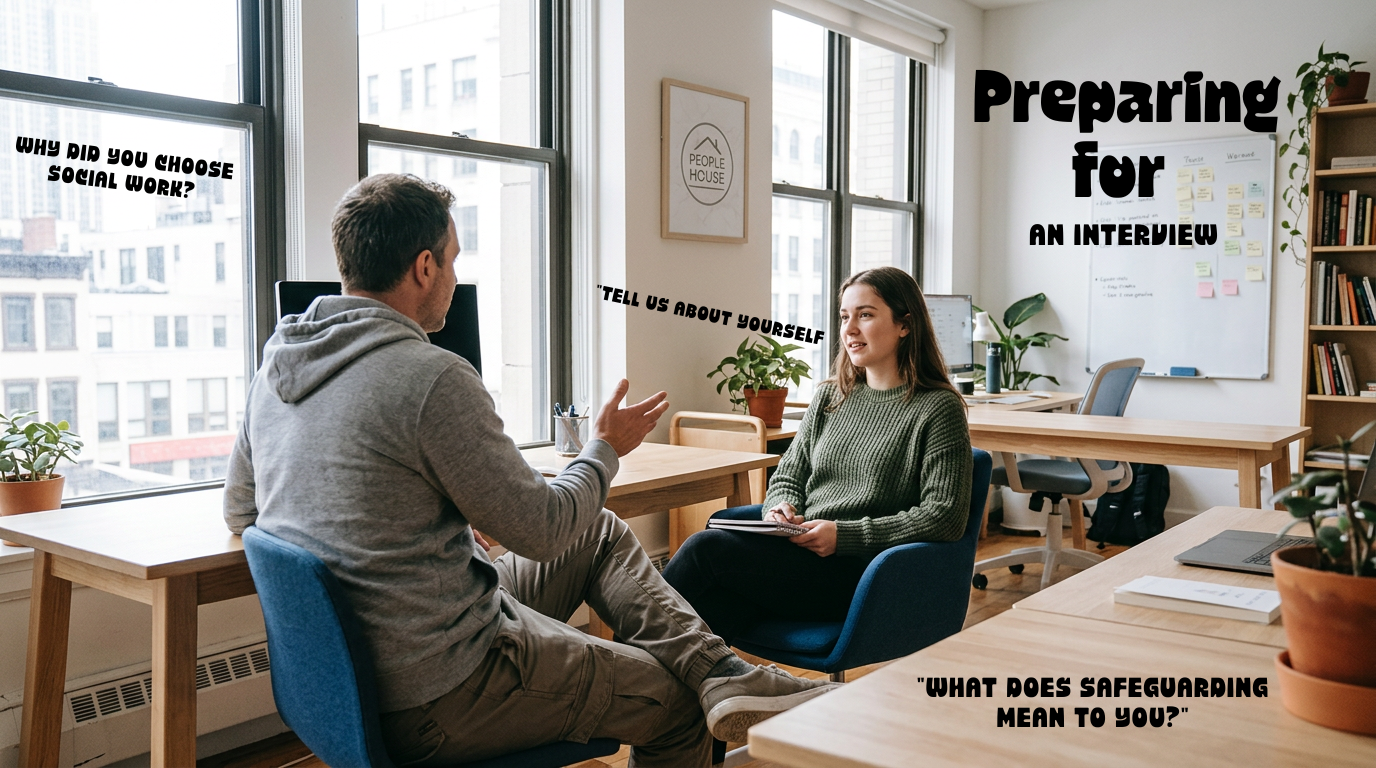
The Interview Questions You’ll Be Asked for Residential Childcare Jobs (and How to Prepare)

If you have been invited to interview for a children’s residential childcare worker (RCW) role, congratulations. That means your application has already shown promise and you are one step closer to starting or progressing your career in children’s residential care.

Interviews for these roles are not just about qualifications. Employers want to understand your values, your motivation for working with young people, and how you handle real-life situations. Below are some of the most common questions asked at RCW interviews, along with guidance on how to prepare your answers.

Why do you want to work in children’s residential care?

What they are really asking:
They want to understand your motivation. Residential care is demanding and requires genuine commitment to supporting young people, not just an interest in the job.

How to prepare:
Share your personal reasons for wanting to work in this field. Perhaps you are driven by a passion for helping young people to achieve their potential, or you find it rewarding to make a difference in their lives. Keep your answer honest and focused on positive impact.

Example:
“I have always wanted to support children who need stability and understanding. I believe every young person deserves to feel safe and valued, and I want to be part of a team that helps make that possible.”

Tell us about a time you handled a challenging situation

What they are really asking:
They want to see that you can stay calm, think clearly, and act appropriately under pressure.

How to prepare:
Use the STAR method (Situation, Task, Action, Result) to structure your response. Choose an example that demonstrates patience, professionalism, and your ability to de-escalate situations.

Example:
“One evening a young person became upset and started shouting. I stayed calm, gave them space, and used a calm tone to reassure them. Once they were settled, we spoke about what had upset them and agreed some strategies for next time.”

How would you build trust with a young person who has experienced trauma?

What they are really asking:
They want to know if you understand trauma-informed practice and the importance of consistency.

How to prepare:
Explain that trust takes time and is built through reliability, empathy, and clear boundaries. Talk about listening, keeping promises, and creating a safe environment where young people feel heard and respected.

Example:
“I would take time to build a genuine connection, be consistent with my approach, and always follow through on what I say. It is important that young people see that you mean what you say and that they can rely on you.”

What does safeguarding mean to you?

What they are really asking:
They want to check that you understand your duty to protect children from harm and how to act if you have concerns.

How to prepare:
Describe safeguarding as protecting children from abuse, neglect, and exploitation. Emphasise that it is everyone’s responsibility and that you would always follow the correct reporting procedures.

Example:
“Safeguarding means ensuring the safety and wellbeing of every child in your care. It’s about being alert to any signs of risk and following the correct procedures immediately if you have concerns.”

How do you work as part of a team?

What they are really asking:
They want to know that you can communicate effectively and contribute to a consistent approach across the team.

How to prepare:
Share examples of how you have supported colleagues, shared information, and maintained professionalism, even in difficult situations.

Example:
“I believe good teamwork is essential in residential care. I always make sure handovers are clear, respect my colleagues’ opinions, and work together to keep a consistent approach for the young people.”#

Where do you see yourself in five years?

What they are really asking:
They are interested in your long-term commitment to the sector and whether you want to develop within it.

How to prepare:
Talk about your goals for progression, such as completing further qualifications, moving into a senior role, or mentoring new staff.

Example:
“In five years, I would like to continue developing my skills and work towards a senior role where I can support others and help the home provide the best care possible.”

Final tips for interview success

  • Research the home before the interview. Understand their values, Ofsted rating, and approach to care.
  • Review the job description and think about how your experience relates to it.
  • Bring any certificates or training evidence if you have them.
  • Ask thoughtful questions at the end, such as:
    • “How do you support staff wellbeing?”
    • “What opportunities are there for training and progression?”

Remember

Working as a children’s residential childcare worker is more than a job; it is a chance to make a lasting difference. Approach your interview with confidence, compassion, and honesty. Employers are looking for people who genuinely care about creating safe and nurturing environments for children.

If you would like more interview support, People House Recruitment offers free guidance and preparation for candidates applying for residential childcare roles. Get in touch to learn more.

29Oct

A Day in the Life of a Senior RCW

A Day in the Life of a Senior RCW – Emily’s Story

Working as a Senior Residential Childcare Worker is more than just a job, it’s a career that changes lives. Every day brings new challenges, opportunities, and moments that make a real difference to the children and young people we support.

If you’ve ever wondered what life is like in this role, here’s an inside look at a typical day, though no two days are ever quite the same!

Before the Shift: Planning and Preparation

A great shift starts with preparation. Before coming on duty, a Senior Support Worker will review the day’s plans, upcoming appointments, and any ongoing tasks. Good planning ensures that the team is organised, confident, and ready to provide consistent care and support throughout the day.

Starting the Shift: Handover and House Checks

At the start of each shift, the Senior Support Worker receives a handover from the previous team. This includes

  • Confirming money and medication counts
  • Checking that household chores and daily checks are complete
  • Reviewing the cleanliness and safety of the home
  • Receiving updates on each young person (YP) including any incidents, appointments, or contact sessions

This handover sets the tone for the day, ensuring the team has all the information they need to provide safe, high-quality care.

Shift Planning and Delegation

Once the handover is complete, it’s time to plan the shift. The Senior Support Worker leads the discussion using the handover sheet, identifying any key appointments, education schedules, contact times, or activities and delegating tasks to team members

Good leadership is essential here: making sure everyone knows their responsibilities and feels supported throughout the day.

Communication and Admin

Admin and communication play an important part in the role. You’ll:

  • Check and respond to emails (especially from professionals such as social workers, QSWs, or managers)
  • Audit work completed before your shift — reviewing daily logs, care plans, and key working sessions
  • Ensure all records are accurate, up-to-date, and meet regulatory standards

This ensures the home remains compliant and that every young person’s progress is properly documented.

Meetings and Professional Visits

On some days, you may attend meetings such as team meetings, professional reviews, or training sessions. You might also need to take minutes and share updates with the wider team.

When professionals such as Ofsted inspectors or Regulation 44 visitors attend the home, the Senior Support Worker is responsible for welcoming them, signing them in, and ensuring they have access to the information they need.

Supporting the Young People

Throughout the day, you’ll carry out welfare checks, encourage routines, and support young people with education, appointments, and activities. You’ll also work alongside the team to help young people develop life skills, promote independence, and build positive relationships.

Every interaction is an opportunity to encourage, empower, and support young people to reach their potential.

Record Keeping and Care Planning

Part of being a Senior Support Worker means maintaining accurate and detailed records. You’ll update and review key documents such as: 

  • Care Plan
  • Risk Assessments
  • Behaviour Support Plans
  • Home paperwork

You’ll also oversee the team to ensure daily logs, logbooks, and checklists are completed to a high standard.

Evening Routine and Household Tasks

As the day winds down, the focus turns to dinner and evening routines. You’ll make sure:

  • The evening meal is prepared, and food temperatures are recorded
  • The young people are encouraged to eat together and enjoy a homely atmosphere
  • All chores such as cleaning, laundry, and daily checks are completed
  • This helps create a calm, structured environment – a key part of residential life.

End of Shift: Final Checks and Handover

Before the shift ends, you’ll complete evening checks, such as confirming sharps counts, checking money balances, and ensuring the home is secure. Once the young people are settled and all tasks are complete, the team finishes the final handover ready for the next shift.

No Two Days Are the Same

While this might sound like a typical day, the truth is that no two shifts are ever identical. There might be an unexpected appointment, an activity, or an incident and that’s what makes the role both challenging and rewarding.

Every day offers the chance to make a difference, to support young people through their journey, and to help them build brighter futures.

With thanks to Emily for sharing her experience
and insight into the life of a Senior RCW.

24Oct

Why Recruitment in Children’s Residential Care Needs a Human Touch

Recruitment in children’s residential care is unlike recruitment in any other sector. It’s not simply about matching skills to job descriptions, it’s about finding people with the heart, resilience, and empathy to change lives. Every child in residential care deserves stability, safety, and genuine connection, and that begins with the people who care for them each day.

Too often, recruitment in social care is treated as a numbers game. Agencies rush to fill vacancies, focusing on speed rather than suitability. But in a children’s home, the wrong placement can have a lasting impact, not only on the home’s team but, most importantly, on the young people themselves. That’s why recruitment in this field demands something more: a human touch.

Seeing Beyond the CV

While qualifications and experience are important, they only tell part of the story. The best residential workers bring emotional intelligence, patience, and a natural ability to build trust. These qualities don’t always stand out on paper, which is why a people-first approach is so vital. A good recruiter takes time to get to know candidates to understand their motivations, values, and the type of environment where they’ll thrive.

Equally, understanding the needs and culture of each children’s home is essential. No two settings are the same. Some support children with complex emotional needs; others focus on developing independence or preparing for family reunification. Matching the right person to the right environment makes all the difference to both staff satisfaction and quality of care.

Creating Stability Through Connection

Children’s homes rely on consistency. High staff turnover can disrupt relationships, unsettle young people, and undermine progress. Recruitment that prioritises human connection helps build long-term teams; people who stay because they feel valued, supported, and aligned with the home’s mission.

Taking a human-centred approach also strengthens trust between recruiters and employers. When managers know that candidates are not only capable but also compassionate, they gain peace of mind that every new addition will enhance their team dynamic.

Supporting Candidates on Their Journey

Good recruitment doesn’t end with a successful placement. For candidates, particularly those new to residential care, ongoing support is key. Interview coaching, clear communication, and a smooth onboarding process all help new recruits feel confident and prepared for their roles. When candidates are supported from the very beginning, they’re far more likely to succeed and remain in post.