
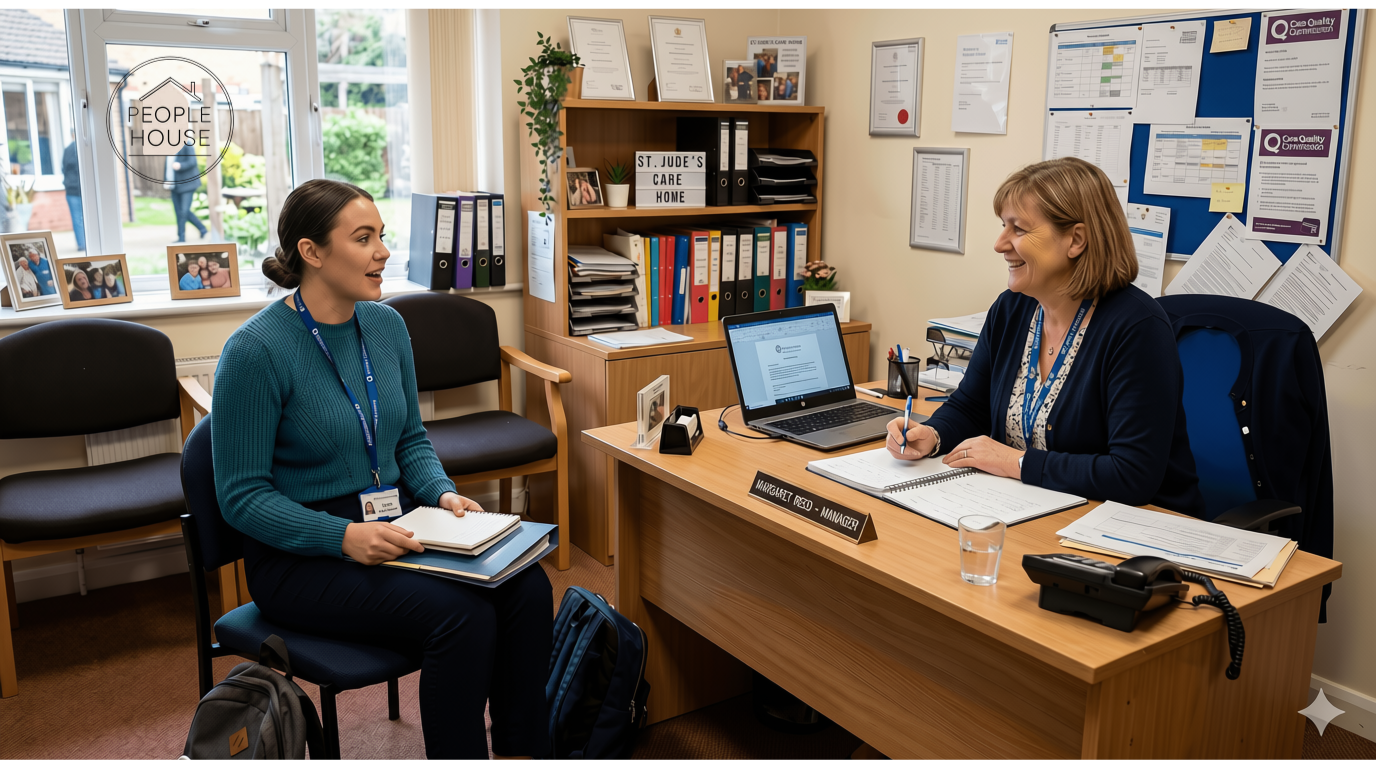
Running a successful children’s home requires strong leadership, effective safeguarding practices, and a clear understanding of regulatory expectations. At the centre of this is the Registered Manager — the person responsible for ensuring children receive safe, consistent, and high-quality care.
Ofsted expects Registered Managers to demonstrate strong leadership, understand children’s individual needs, support staff development, and maintain compliance with the regulations that govern children’s homes in England.
For providers, recruiting the right Registered Manager can make the difference between maintaining high standards and facing challenges during inspections.
In this guide, we explain what Ofsted looks for in a Registered Manager and the key responsibilities they must understand.
What Is the Role of a Registered Manager in a Children’s Home?
A Registered Manager is responsible for the daily operation of a children’s home and ensuring the service meets legal and regulatory requirements.
Their responsibilities include:
- Managing the quality of care provided to children and young people
- Leading and supporting the staff team
- Maintaining safeguarding standards
- Ensuring policies and procedures are followed
- Monitoring the quality of care
- Working with families, professionals, and external agencies
Under the Children’s Homes Regulations 2015, Registered Managers have a key responsibility to ensure children receive care that meets their individual needs and promotes their welfare.
External resource:
Children’s Homes Regulations 2015 – UK Government legislation:
https://www.legislation.gov.uk/uksi/2015/541/contents
1. Strong Leadership and Management
One of the main areas Ofsted assesses during inspections is the quality of leadership and management within a children’s home.
A Registered Manager should demonstrate:
- Clear leadership and effective decision-making
- A positive culture within the home
- Strong communication with staff
- Understanding of the strengths and weaknesses of the service
- Commitment to continuous improvement
Ofsted expects leaders to understand what is happening within their home and take action when improvements are needed.
External resource:
Ofsted – Social Care Common Inspection Framework (SCCIF):
https://www.gov.uk/government/publications/social-care-common-inspection-framework-sccif
2. Safeguarding Children Must Be a Priority
Safeguarding is one of the most important responsibilities of a Registered Manager.
Ofsted expects managers to ensure:
- Children are protected from harm
- Staff understand safeguarding procedures
- Concerns are reported appropriately
- Risks are identified and managed
- Safeguarding records are accurate
- Staff receive regular safeguarding training
A strong Registered Manager creates an environment where children feel safe, respected, and listened to.
External resource:
Working Together to Safeguard Children guidance:
https://www.gov.uk/government/publications/working-together-to-safeguard-children–2
3. Recruiting and Developing the Right Staff Team
The quality of care provided in a children’s home depends heavily on the staff team supporting children every day.
Ofsted expects Registered Managers to ensure that staff are safely recruited and have the skills required for their role.
This includes:
- Completing safer recruitment checks
- Ensuring staff have suitable experience
- Providing effective induction
- Identifying training needs
- Carrying out regular supervision
- Supporting professional development
Poor recruitment decisions can affect children’s safety, staff stability, and the overall quality of the service.
External resource:
Disclosure and Barring Service (DBS):
https://www.gov.uk/government/organisations/disclosure-and-barring-service
4. Understanding and Supporting Children’s Individual Needs
Ofsted focuses on the experiences of children living in the home, not only policies and paperwork.
Registered Managers must ensure:
- Children have a voice in decisions affecting them
- Care plans reflect individual needs
- Staff understand children’s backgrounds and experiences
- Children receive appropriate emotional and practical support
- Independence and life skills are encouraged
Every child living in residential care has different experiences and requires personalised support.
External resource:
Children’s Homes Regulations and Quality Standards:
https://www.gov.uk/government/publications/childrens-homes-regulations-including-quality-standards
5. Maintaining Accurate Records and Documentation
Effective record keeping allows Registered Managers to monitor the quality of care and identify areas that need improvement.
Managers must ensure:
- Care plans are reviewed regularly
- Risk assessments are updated
- Incidents are recorded correctly
- Staff records are accurate
- Children’s progress is monitored
During inspections, Ofsted may review records to understand how decisions are made and whether children’s needs are being met.
6. Supporting Staff Performance and Development
A Registered Manager is responsible for creating a skilled and confident workforce.
This includes:
- Providing regular supervision
- Identifying training requirements
- Supporting staff development
- Addressing performance concerns
- Recognising good practice
Effective leadership helps create stability for children and improves staff retention.
7. Understanding Regulation 44 Visits and Quality Monitoring
Registered Managers must understand the importance of monitoring and improving the quality of the service.
Regulation 44 visits provide an independent review of the children’s home and help identify areas for improvement.
Managers should use findings from these reports to:
- Improve care practices
- Review safeguarding arrangements
- Monitor incidents
- Strengthen the service
External resource:
The Children’s Homes (England) Regulations 2015:
https://www.legislation.gov.uk/uksi/2015/541/contents
8. Knowledge of Regulations and Ofsted Expectations
A successful Registered Manager must understand the legal requirements that apply to children’s homes.
Key areas include:
- Children’s Homes Regulations 2015
- Quality Standards
- Safeguarding responsibilities
- Safer recruitment requirements
- Staff training expectations
Compliance is not only about meeting inspection requirements. It is about creating a safe, supportive, and positive environment where children can develop.
What Qualities Does Ofsted Look for in a Registered Manager?
Ofsted expects Registered Managers to demonstrate:
- Strong leadership skills
- Excellent safeguarding knowledge
- Ability to develop and support staff teams
- Understanding of children’s needs
- Commitment to improving the service
- Knowledge of regulations and standards
- Effective communication skills
How Providers Can Recruit the Right Registered Manager
Finding the right Registered Manager requires more than checking qualifications and experience.
Providers should look for someone who:
- Has experience managing children’s residential services
- Understands Ofsted expectations
- Can lead a team effectively
- Demonstrates strong safeguarding knowledge
- Shares the organisation’s values
At People House Recruitment, we support children’s residential care providers in finding experienced professionals who understand the responsibilities of leadership within children’s homes.
Final Thoughts
A Registered Manager plays a vital role in the success of a children’s home. Their leadership directly affects safeguarding standards, staff performance, compliance, and the experiences of children living in the service.
Ofsted expects Registered Managers to be strong leaders who understand regulations, support their teams, and continuously improve the quality of care provided.
For children’s home providers, recruiting the right Registered Manager is one of the most important decisions they will make when building a safe, effective, and successful service.